.jfif)
Hair Wigs for Cancer Patients: Restoring Confidence Beyond Hair Loss
Lord Hairs • February 14, 2026
Hair loss is one of the most emotionally challenging side effects of cancer treatment. Chemotherapy and radiation save lives, but they often take away something deeply personal—hair. For many patients, hair is not just about appearance; it represents identity, confidence, and a sense of normalcy. This is where hair wigs play a powerful role in helping cancer patients feel like themselves again.
Understanding Hair Loss During Treatment
Chemotherapy targets rapidly dividing cells, which unfortunately includes hair follicles. Hair loss can begin within two to three weeks of starting treatment and may affect not only the scalp but also eyebrows, eyelashes, and body hair. While this process is temporary for most patients, the emotional impact can feel overwhelming and immediate.
Many people describe the first sight of hair shedding as the moment their illness became “real.” It can affect self-esteem, social comfort, and even the willingness to step outside. That’s why wigs are more than a cosmetic solution—they are an emotional support tool.
Why Wigs Matter
A well-fitted wig can help patients maintain privacy about their medical condition if they choose. It allows them to continue daily routines—work, social events, travel—without constantly explaining their situation. More importantly, it gives them a sense of control during a time when much feels uncertain.
For some, wearing a wig helps them feel strong and prepared when facing the world. For others, it simply makes looking in the mirror easier during recovery.
Choosing the Right Wig
When selecting a wig for a cancer patient, comfort should always come first. Hair Replacement Services in Delhi The scalp can become sensitive during treatment, so lightweight and breathable materials are essential.
There are two main types of wigs:
1. Synthetic Wigs
These are pre-styled, easy to maintain, and usually more affordable. They hold their shape even after washing, making them a practical choice for daily wear.
2. Human Hair Wigs
These offer the most natural appearance and can be styled just like real hair. They are typically more expensive but provide greater versatility and realism.
Many patients choose to match their previous hairstyle to maintain familiarity, while others see this as an opportunity to try a new look. Both choices are completely valid—what matters most is how the wearer feels.
Comfort and Care Tips
Cancer patients often experience scalp sensitivity, so a few small adjustments can make a big difference:
• Look for wigs with soft caps or silk linings.
• Choose adjustable straps for a secure but gentle fit.
• Consider wig liners or bamboo caps to reduce irritation.
• Avoid heavy styling products that may cause discomfort.
Proper wig care also helps extend lifespan and maintain a fresh look. Gentle washing, air drying, and proper storage can keep the wig looking natural for months.
Emotional Healing and Confidence
Perhaps the most important benefit of wigs is emotional. Cancer treatment can feel like losing control over one’s body and life. A wig helps restore a sense of choice and normalcy. It allows patients to walk into a room feeling confident, rather than feeling defined by their illness.
Many survivors say that the day they found the right wig was the day they felt like themselves again.
Hair loss is temporary, but the emotional journey during cancer treatment is profound. A wig cannot replace natural hair, but it can restore dignity, confidence, and comfort during a difficult time. For many cancer patients, it becomes a small but powerful step toward healing—not just physically, but emotionally too.
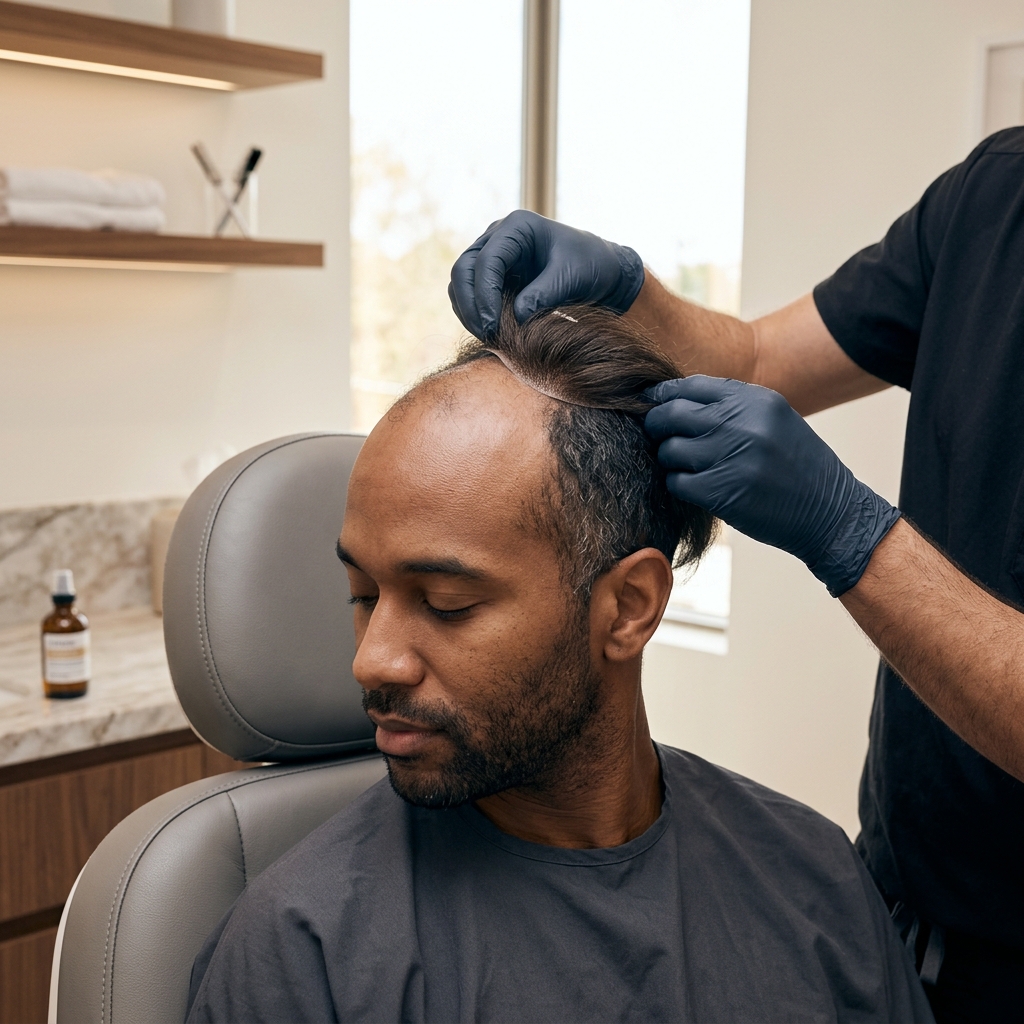
Discover how Lord Hairs became a trusted name for non-surgical hair replacement in India. Learn about our natural results, personalized approach, and media recognition.
.jfif)
Looking for the best hair patch under ₹7000? Discover affordable, natural-looking, non-surgical hair replacement solutions at Lord Hairs. Instant transformation on a budget.

Discover if a hair patch is the right solution for your hair loss. Learn about benefits, potential drawbacks, and important factors to consider when choosing a hair patch.
Take the first step towards restoring your confidence with our expert hair restoration services.